Different ways of seeing
When feeling uninspired by my work, I love to look outside of my field for inspiration.
These photographers recently nudged me back to that place: Born Into Brothels and the beauty of letting others be seen; Ana Flores’ portraits that meet people as they are; and Salgado’s images that show the strength and dignity people carry, even in hard circumstances.
Together, they reminded me that meaningful work starts with attention. To people, to context, and to what’s already there.
I’m increasingly interested in how social change might begin with attention. The discipline of really seeing people, before projecting the change bit.
Lately, the people teaching me most about this aren’t necessarily those working in the social sector. They’re photographers and storytellers who show what care, dignity, and agency look like. Here are three who are currently reshaping how I think about social change and the work I do.
Born Into Brothels — Seeing and Responsibility
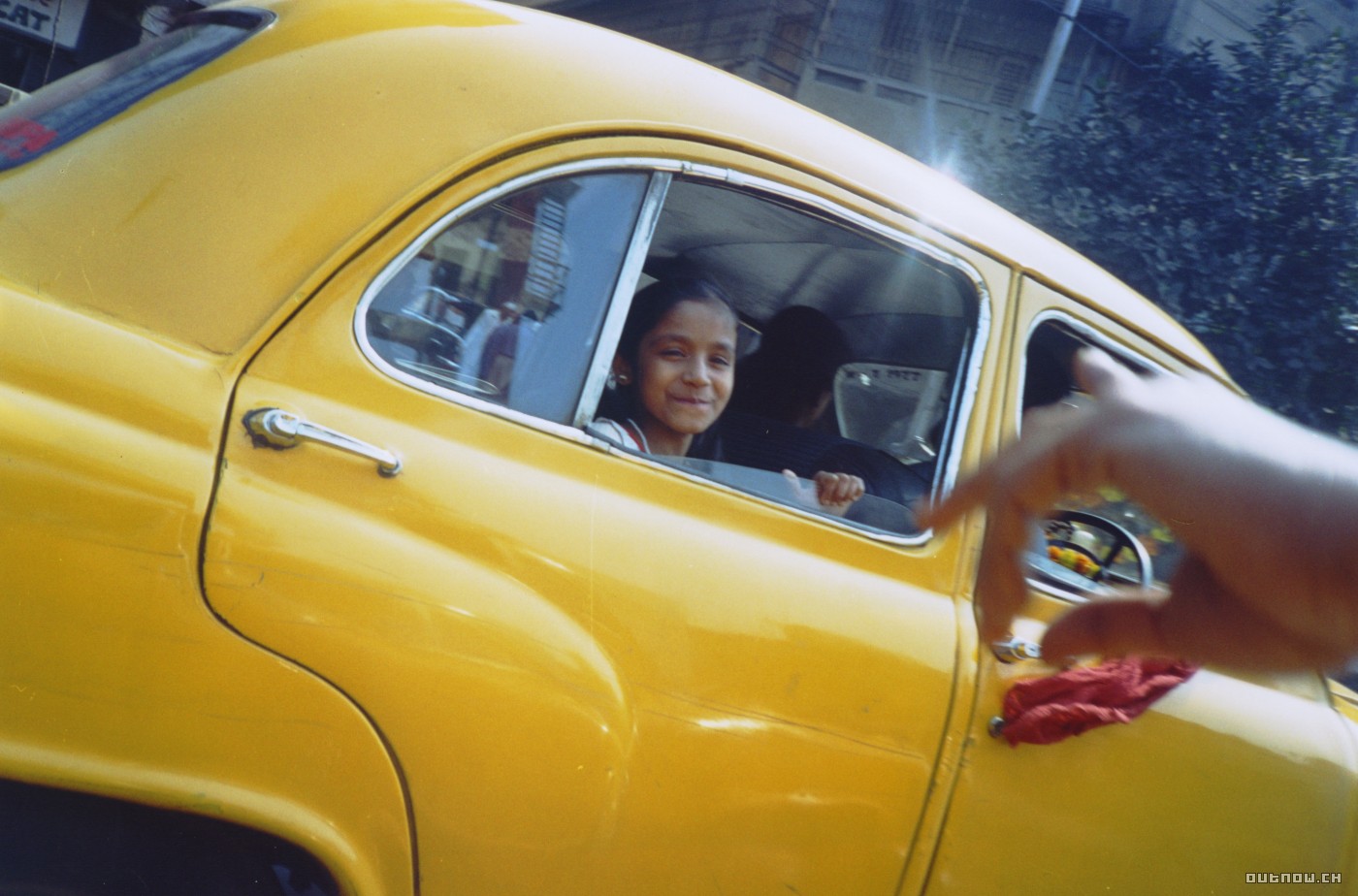
One super rainySaturday evening in Bogotá, I found Born Into Brothels (2004) on YouTube. It’s a beautiful documentary that follows children growing up in Calcutta’s red-light district — born into brothels, faced with the constant chaos of survival. Their mothers are often forced into work at a young age and are seen cursing them out; the girls are next in line to inherit the same circumstances.
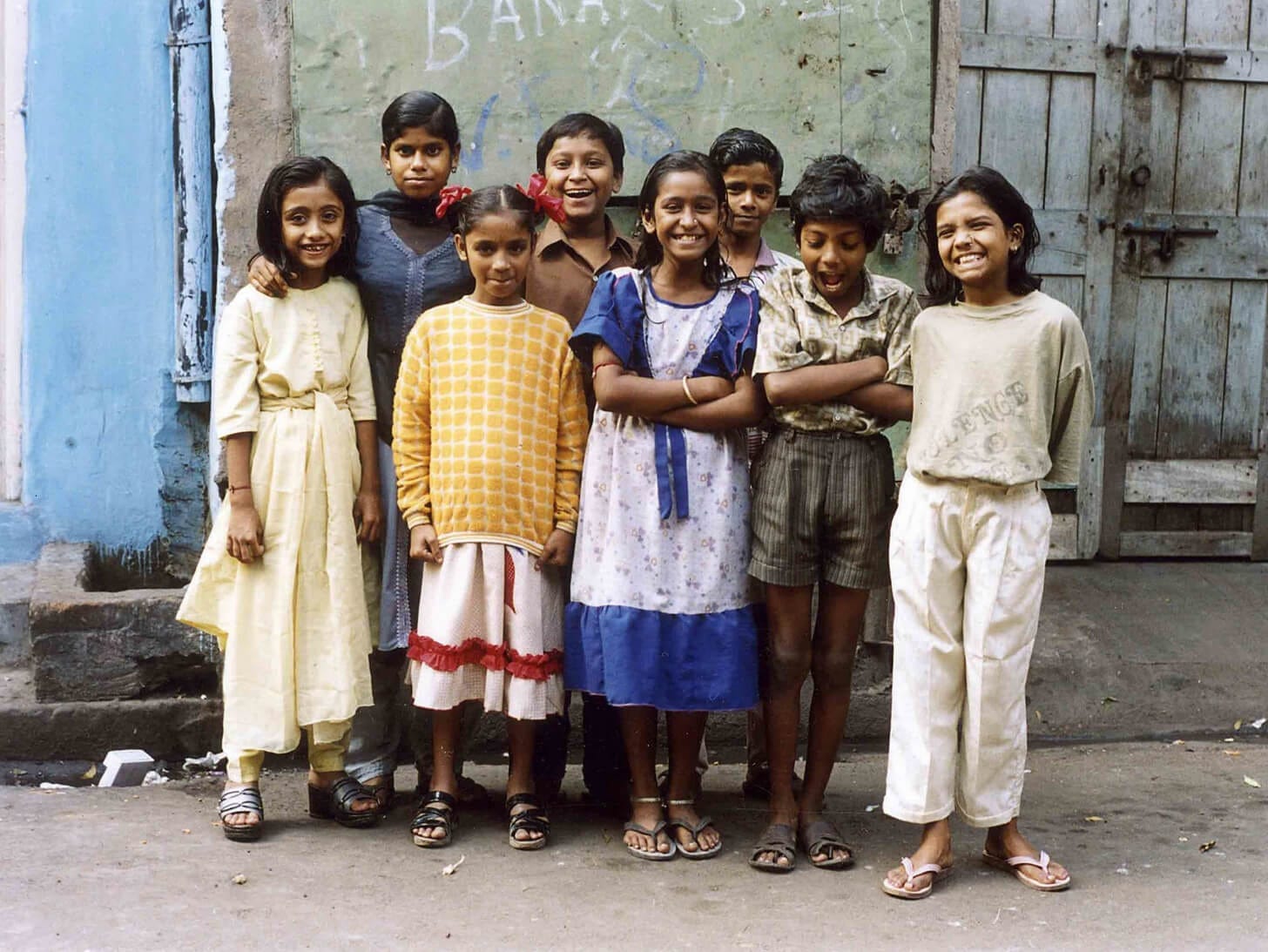
But instead of only filming their lives, or that of their families, the director, Zana Briski, who is also teaching them photography, hands them cameras. The children begin to document their own worlds with amazing creativity. Their photographs reveal not just what surrounds them, but how they see, full of wit, capacity, and a vision for a future larger than what they were born into. The joy on their faces as they take, critique, and share photos feels like witnessing possibility unfold in real time.
They don’t author the documentary, but they clearly shape it. The story expands to hold their perspective, not as a project of saving, but as a space where imagination and agency are so visible. And perhaps most strikingly, it shows what difference one person’s care and commitment can make: how belief in someone’s potential can become a form of infrastructure in itself.
When practitioners talk about rethinking social design, they explore the concept of agency, and I think felt is that Zana Briski created a beautiful way for these children to start their exploration of that.
She not just saw, but also showed these kids the full capacity to imagine, create, and contribute. And was able to share this with the audience. Born Into Brothels reminds me that change often starts there: in the simple act of recognition, and in the relationships that allow people to believe in their own possibilities.
Sometimes the most meaningful shift is when people are seen, not for what they lack, but for what they contribute, imagine, and are.
2. Ana Flores — Returning Authorship
There’s a fine line between representing someone and reducing them.
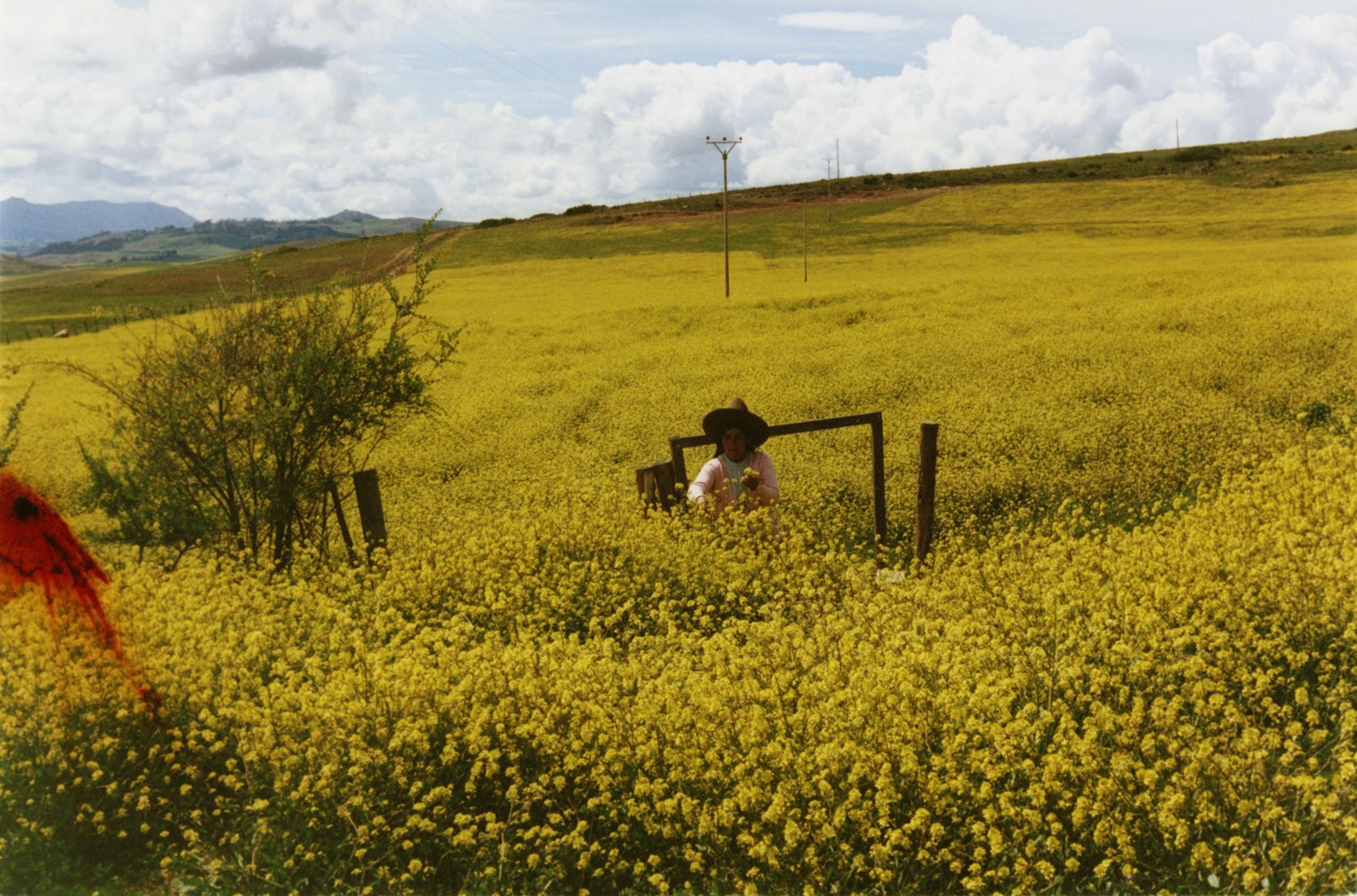
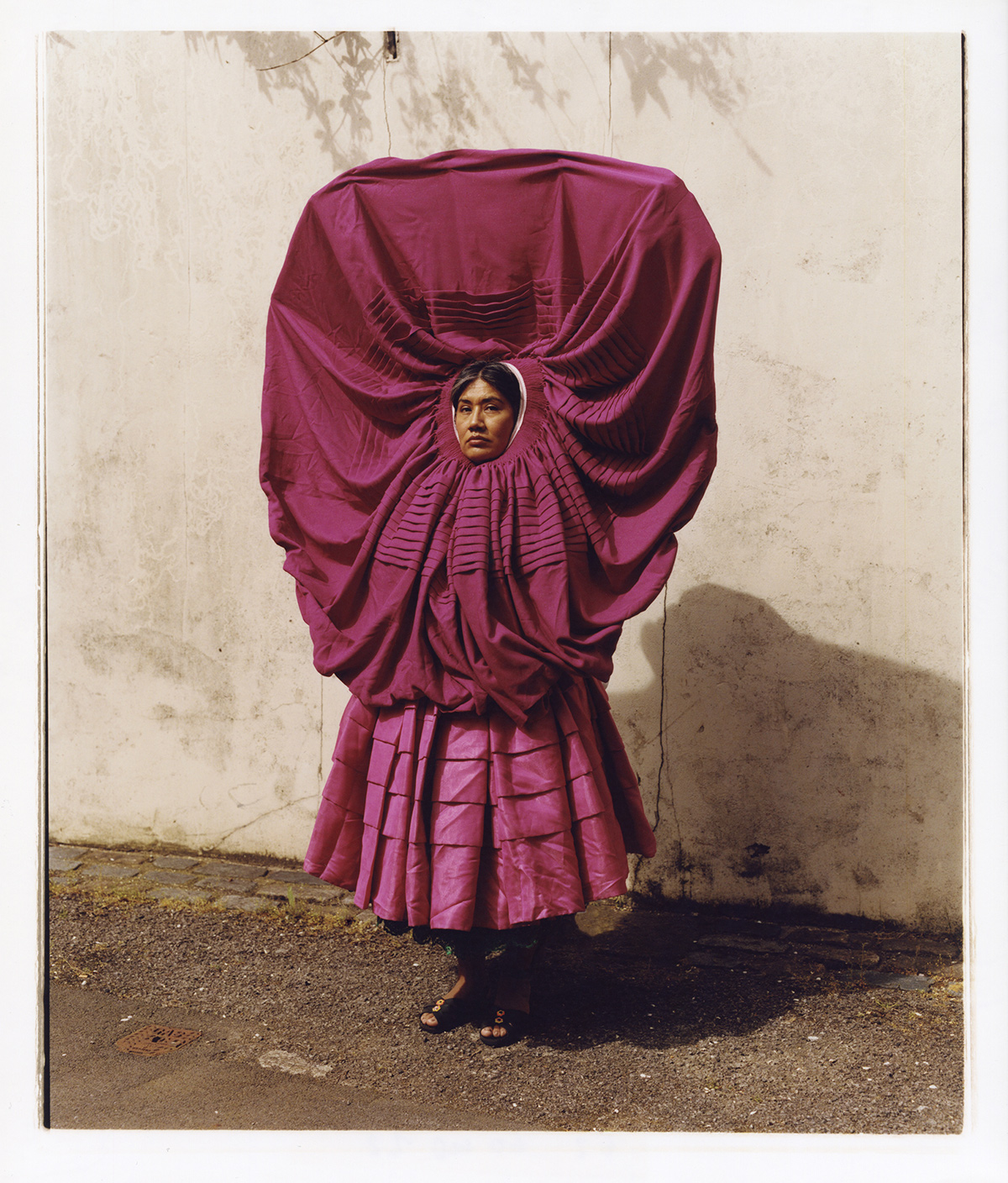
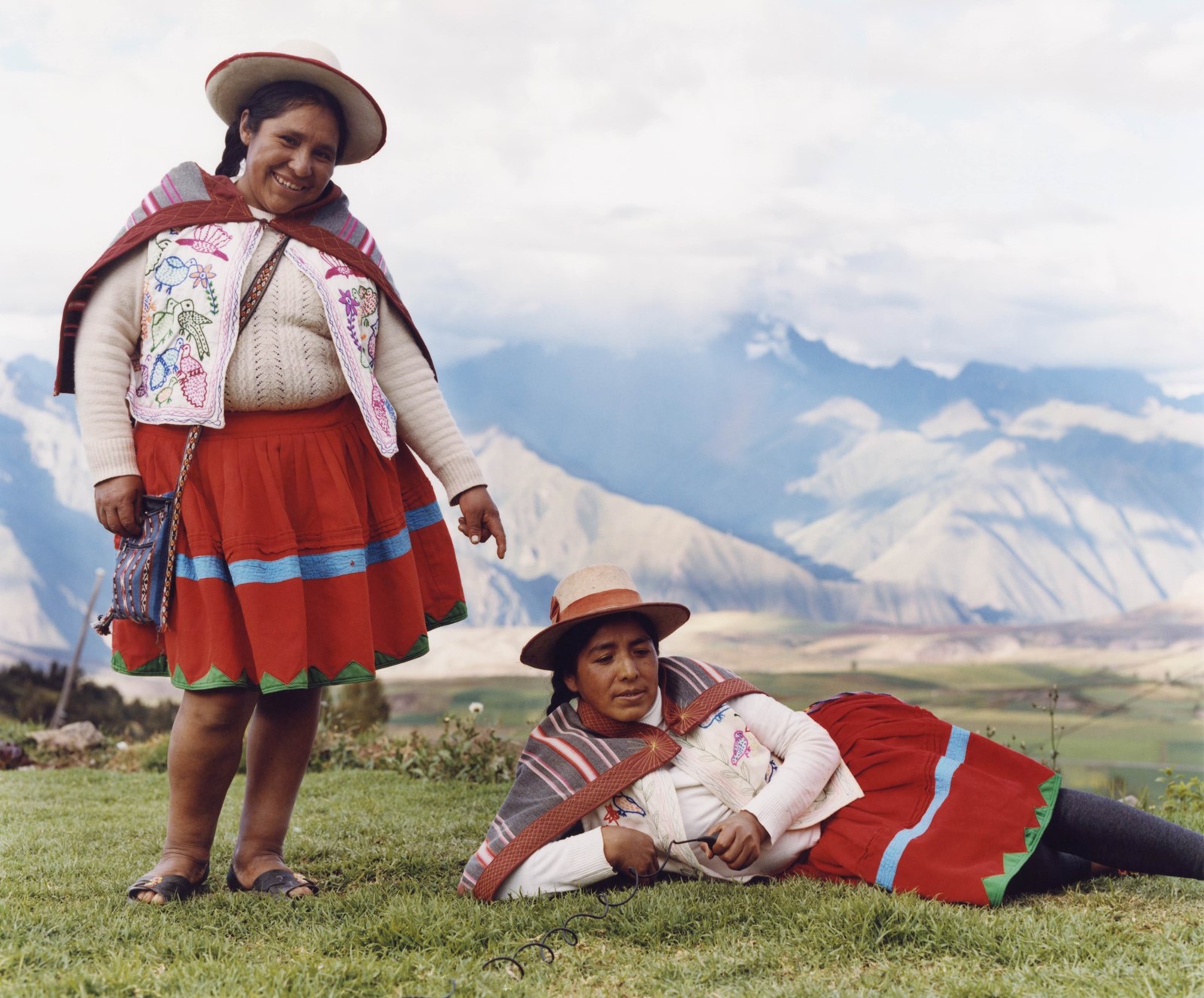
Ana Margarita Flores’ Donde Florecen Estas Flores (Where These Flowers Bloom) sits in that tension. Created as a tribute to the women of her homeland in Peru — particularly those from the Andean highlands — the project responds to the long history of stereotypical representations of indigenous women.
But what strikes me is not just the intention behind the work. It’s how the women appear within it. They are not framed as symbols of tradition or hardship. They feel contemporary and present. Self-possessed. Fully themselves.
There is a directness in the portraits, a sense that the women are not being interpreted for us, but meeting us on their own terms.
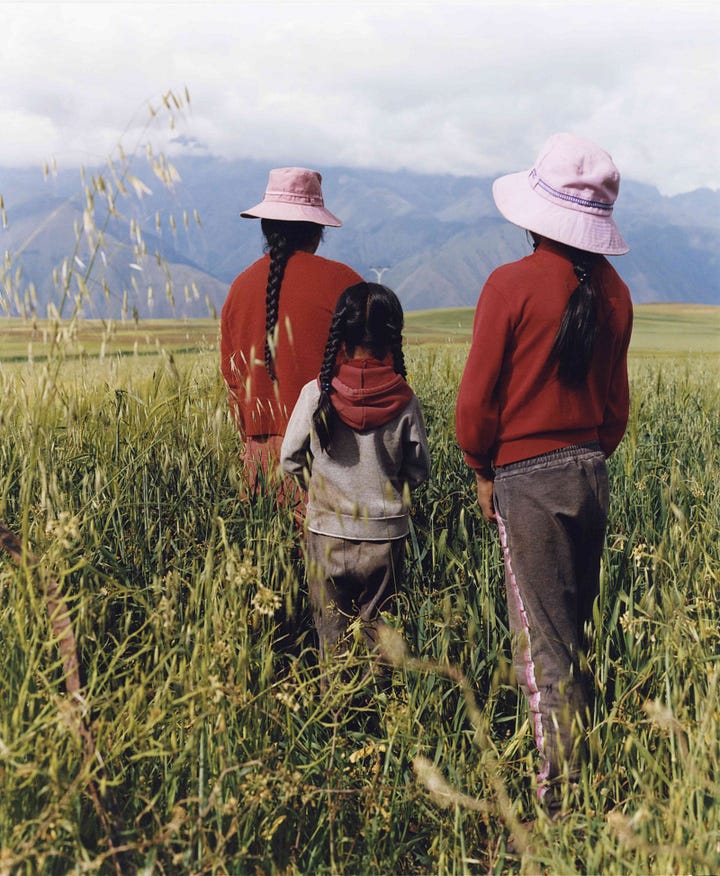
Ana Margarita Flores’ Donde Florecen Estas Flores (Where the Flowers Bloom) is a striking series of portraits of Andean women — not framed as distant cultural symbols, but as contemporary, present individuals.
What I love about her work is how it cuts through the usual layers of interpretation. These portraits don’t treat the women as representatives of a culture or an idea; they meet them as people. Their presence feels direct, intentional, and fully their own.
Whether we’re working in NGO’s, social design, strategy, or storytelling, it’s easy to focus on context, systems, or circumstances and forget the person at the centre of it all. So I keep a few questions close:
- Does my work reflect someone’s full dignity, agency, and complexity — or am I unconsciously reducing them to a narrative?
- How would my perspective change if I were personally affected by this issue? What assumptions might shift?
- How has my background shaped what I notice and what I overlook?
- Would I feel comfortable sharing this story with the person it’s about? Would it reflect how they’d want to be seen?
These all sound really obvious. Speaking from experience, they’re not.
3. Sebastião Salgado — Dignity and Repair
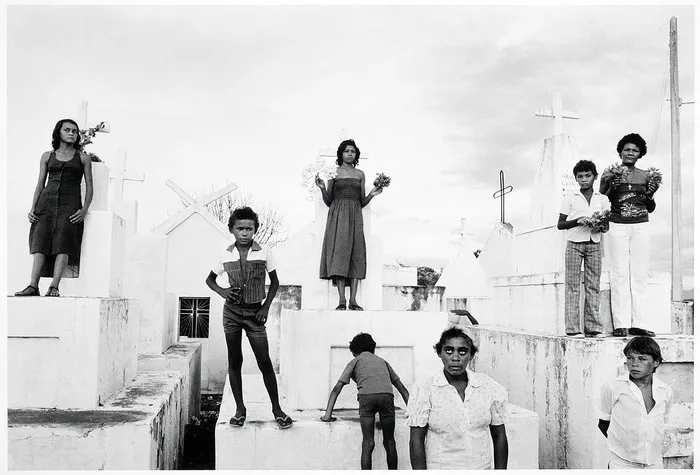
Salgado once said, “ I never photograph the misery.”
His work has inspired a generation of photographers, even as it’s been debated for how it navigates the line between art and suffering. What stays with me, though, is not the hardship in his images but the dignity and beauty it portrays. His photographs don’t just document circumstances; they reveal the strength people carry within them, even in the most difficult environments.
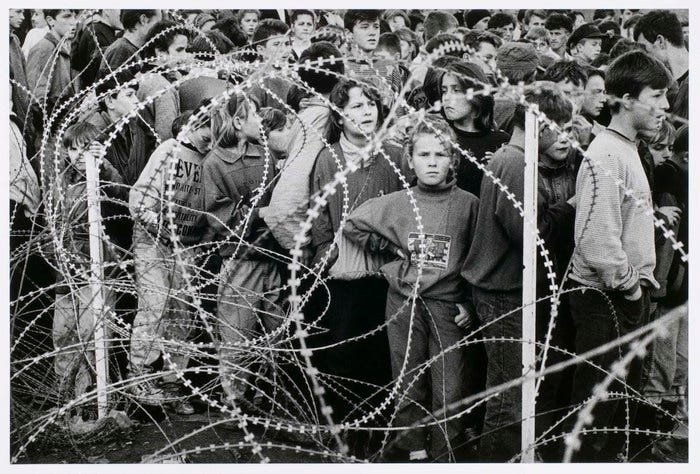
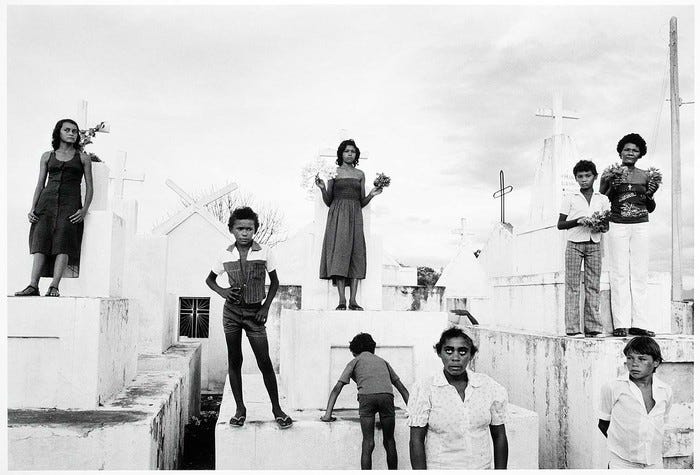
When we’re designing or strategising for impact, where are we looking for direction? Are we only mapping problems, or are we paying attention to the forces that already help people endure, adapt, and support one another? Where are the small pockets of energy, the places where a shift could unlock something larger? How might the structures we build either reinforce or suppress the capacities that communities already hold?
It’s easy to focus on deficits; it’s harder to sit long enough to see the full picture — the care, the networks of reciprocity, the human priorities that keep people moving forward.
Salgado reminds me that empathy isn’t soft. It’s a discipline: staying with the complexity until you can see the person beyond the moment of crisis, and designing from that place. Also, check out his Ted Talk, it’s great.
.png)